

Calibrating syringe filling equipment is a crucial process for ensuring accurate and consistent dosing in various industries, especially in pharmaceuticals and healthcare. As a supplier of Syringe Filling Equipment, I've seen firsthand how proper calibration can make or break a production line. In this blog, I'll walk you through the steps of calibrating syringe filling equipment, share some tips and tricks, and explain why it's so important.
Why Calibration Matters
Before we dive into the calibration process, let's talk about why it's so important. In the pharmaceutical industry, accurate dosing is a matter of life and death. A single miscalibration can lead to under - or over - dosing, which can have serious consequences for patients. In other industries, such as cosmetics or food, inaccurate filling can lead to product quality issues, customer complaints, and even legal problems.
Calibration ensures that your syringe filling equipment is dispensing the correct volume of liquid every time. It helps to maintain product quality, reduce waste, and comply with regulatory standards. Moreover, regular calibration can extend the lifespan of your equipment by identifying and fixing potential issues before they become major problems.
Step 1: Gather the Necessary Tools
The first step in calibrating syringe filling equipment is to gather the tools you'll need. You'll typically need a precision scale, a graduated cylinder, a stopwatch, and a cleaning kit. Make sure your tools are clean, in good working condition, and have been calibrated themselves. A dirty or inaccurate tool can throw off your calibration results.
Step 2: Prepare the Equipment
Before you start calibrating, you need to prepare the syringe filling equipment. First, clean the equipment thoroughly to remove any residue or contaminants. This can prevent blockages and ensure accurate filling. Follow the manufacturer's instructions for cleaning, which usually involve disassembling the relevant parts and using a suitable cleaning solution.
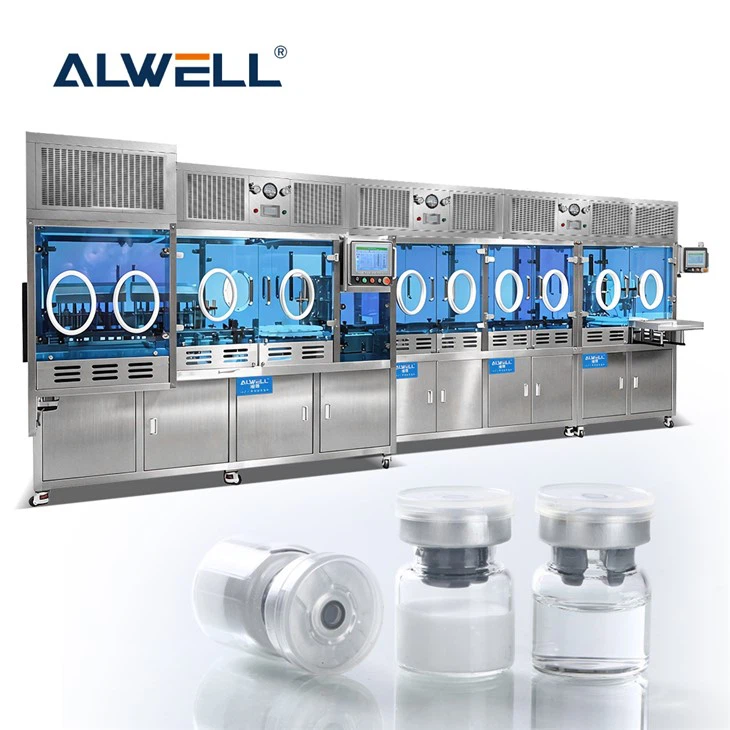

Next, prime the equipment. Priming helps to remove any air bubbles from the system, which can affect the accuracy of the filling. Run a few test cycles with a suitable liquid (such as water) to prime the syringes and tubing.
Step 3: Set the Initial Parameters
Once the equipment is clean and primed, you need to set the initial parameters. This includes the fill volume, the filling speed, and the number of cycles. Refer to the product specifications or the requirements of your production process to determine the correct settings.
For example, if you're filling syringes with a specific medication, you'll need to set the fill volume to match the prescribed dosage. The filling speed should be set based on the viscosity of the liquid and the design of the equipment.
Step 4: Perform the Initial Filling Test
Now it's time to perform the initial filling test. Start the equipment and fill a set number of syringes (usually 5 - 10) with the liquid. Use the graduated cylinder to measure the volume of liquid in each syringe. Record the measurements carefully.
Compare the measured volumes with the set fill volume. If there are significant differences, you'll need to adjust the equipment. This could involve adjusting the syringe stroke, the pump pressure, or the valve settings.
Step 5: Make Adjustments
Based on the results of the initial filling test, make the necessary adjustments to the equipment. If the measured volumes are consistently higher than the set fill volume, you may need to reduce the syringe stroke or the pump pressure. If the volumes are lower, you'll need to increase these settings.
After making each adjustment, perform another filling test. Repeat this process until the measured volumes are within an acceptable tolerance range of the set fill volume. The acceptable tolerance range will depend on the industry and the specific product requirements. In the pharmaceutical industry, for example, the tolerance is often very tight, usually within ± 1 - 2% of the set fill volume.
Step 6: Check for Consistency
Once you've achieved the correct fill volume, it's important to check for consistency. Fill a larger number of syringes (say, 20 - 30) and measure the volume in each one. Calculate the average volume and the standard deviation. A low standard deviation indicates that the filling is consistent.
If there is significant variation in the fill volumes, it could be due to a number of factors, such as a worn - out syringe, a clogged filter, or a problem with the pump. Inspect the equipment carefully and make any necessary repairs or replacements.
Step 7: Document the Calibration
After you've successfully calibrated the syringe filling equipment, document the process. Record the initial settings, the adjustments made, the test results, and the final settings. This documentation is important for quality control purposes and for demonstrating compliance with regulatory standards.
Keep the calibration records on file for future reference. You may need to refer to them during audits or when troubleshooting problems with the equipment.
Tips and Tricks for Calibration
- Regular Maintenance: Regular maintenance of the syringe filling equipment can make the calibration process much easier. Replace worn - out parts, clean the filters, and lubricate the moving parts as recommended by the manufacturer.
- Use High - Quality Liquids: When performing the calibration tests, use high - quality liquids that are similar in viscosity and density to the actual product you'll be filling. This can ensure more accurate calibration results.
- Train Your Operators: Properly trained operators are essential for accurate calibration. Make sure your operators understand the calibration process, the importance of following the procedures, and how to troubleshoot common problems.
Related Equipment
If you're in the market for high - quality syringe filling equipment, you might also be interested in our Automatic Vial Filling And Stoppering Machine. This machine is designed for filling and stoppering vials with high precision and efficiency. Additionally, our pharmaceutical liquid filling machine is specifically tailored for the pharmaceutical industry, ensuring accurate dosing of liquid medications. And for those looking for an automated solution, our Automated Syringe Filler can streamline your production process.
Contact Us for Procurement
If you're interested in our Syringe Filling Equipment or have any questions about calibration, don't hesitate to reach out. We're here to provide you with the best solutions for your filling needs. Our team of experts can offer advice on equipment selection, calibration, and maintenance. Whether you're a small - scale producer or a large pharmaceutical company, we have the right equipment and support for you.
References
- Manufacturer's manuals for syringe filling equipment
- Industry standards for dosage accuracy in pharmaceuticals and related fields
- Technical papers on the calibration of liquid filling equipment