

Hey there! As a supplier of Syringe Filling Machines, I often get asked about all sorts of technical details. One question that comes up quite a bit is, "What is the filling temperature control of a Syringe Filling Machine?" Let's dive right into it.
Why Temperature Control Matters in Syringe Filling
First off, you might be wondering why temperature control is such a big deal. Well, the temperature of the liquid being filled can have a huge impact on the filling process. Different liquids have different viscosities, and viscosity is highly influenced by temperature. For example, if you're filling a thick syrup, a lower temperature might make it too viscous, causing it to flow slowly or even clog the filling nozzles. On the other hand, if the temperature is too high, the liquid might become too thin, leading to inaccurate filling volumes.
In the pharmaceutical and medical industries, where precision is crucial, temperature control is even more important. Many medications and vaccines are sensitive to temperature changes. If the filling temperature is not properly controlled, it could affect the stability and efficacy of the product. For instance, some vaccines need to be kept at a specific temperature range to maintain their potency. A Syringe Filling Machine with accurate temperature control ensures that these products are filled under the right conditions, preserving their quality.
How Temperature Control Works in a Syringe Filling Machine
So, how does a Syringe Filling Machine actually control the filling temperature? There are a few different methods, and it often depends on the type of machine and the nature of the liquid being filled.
One common approach is to use a heating or cooling system. This can be built into the machine itself or be an external component. For example, some machines have a jacketed reservoir where the liquid is stored. The jacket can be filled with a heating or cooling fluid, such as water or glycol, which helps to maintain the desired temperature of the liquid. The temperature of the fluid in the jacket is controlled by a thermostat, which monitors the temperature of the liquid and adjusts the flow of the heating or cooling fluid accordingly.
Another method is to use a heat exchanger. A heat exchanger is a device that transfers heat between two fluids without them coming into direct contact. In a Syringe Filling Machine, the liquid being filled passes through one side of the heat exchanger, while a heating or cooling fluid passes through the other side. The heat exchanger can quickly adjust the temperature of the liquid to the desired level.
Some advanced Syringe Filling Machines also use sensors to monitor the temperature of the liquid in real-time. These sensors are usually placed near the filling nozzles or in the reservoir. If the temperature deviates from the set point, the machine can automatically adjust the heating or cooling system to bring the temperature back to the correct level.
Factors Affecting Filling Temperature
There are several factors that can affect the filling temperature in a Syringe Filling Machine. One of the most obvious factors is the ambient temperature. If the machine is operating in a hot environment, the liquid being filled might heat up more quickly. Conversely, in a cold environment, the liquid might cool down faster. To counteract these effects, the temperature control system needs to be able to adjust for the ambient temperature.
The type of liquid being filled also plays a role. Some liquids have a higher specific heat capacity than others, which means they require more energy to heat or cool. For example, water has a relatively high specific heat capacity, so it takes longer to heat or cool compared to a thinner liquid like alcohol. The machine's temperature control system needs to be designed to handle the specific properties of the liquid being filled.
The filling speed can also affect the temperature. If the filling speed is too fast, there might not be enough time for the temperature control system to adjust the temperature of the liquid. This can lead to inaccurate filling volumes or inconsistent product quality. On the other hand, if the filling speed is too slow, it can increase the production time and cost.
Benefits of Proper Temperature Control
Proper temperature control in a Syringe Filling Machine offers several benefits. First and foremost, it ensures accurate filling volumes. By maintaining the correct temperature, the viscosity of the liquid remains stable, which allows for more precise filling. This is especially important in industries where even a small deviation in filling volume can have serious consequences, such as the pharmaceutical industry.
Secondly, it helps to preserve the quality of the product. As mentioned earlier, many products are sensitive to temperature changes. By controlling the filling temperature, the machine can prevent the product from being damaged or degraded during the filling process. This is crucial for maintaining the efficacy and safety of medications and vaccines.
Finally, proper temperature control can improve the overall efficiency of the filling process. By preventing clogging and ensuring consistent filling, the machine can operate at a higher speed and with fewer interruptions. This can lead to increased production output and reduced costs.
Our Syringe Filling Machines and Temperature Control
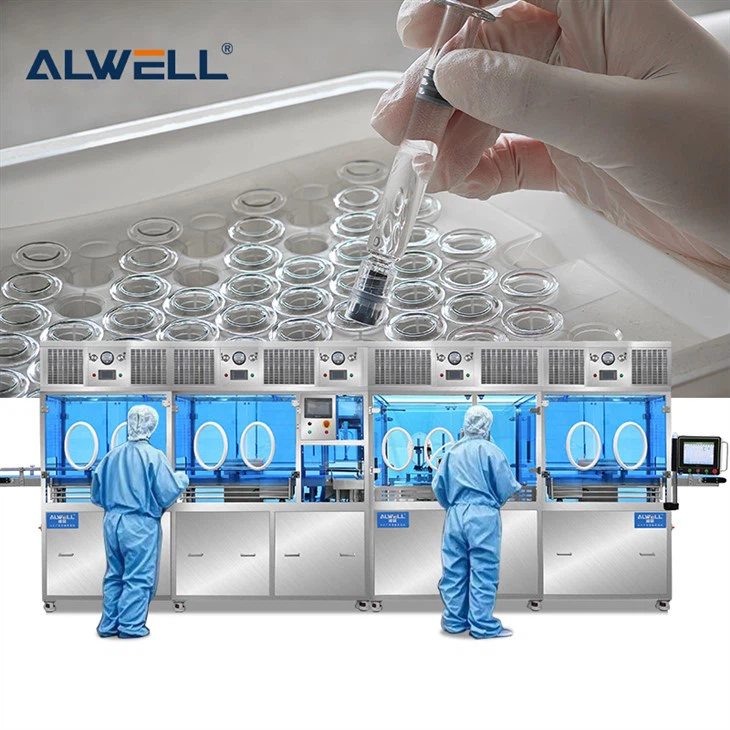
At our company, we understand the importance of temperature control in Syringe Filling Machines. That's why our machines are equipped with state-of-the-art temperature control systems. Our Aseptic Veterinary Medicine Vaccine Filling Machine is designed to handle a wide range of vaccines and medications, with precise temperature control to ensure the quality and efficacy of the products.
Our Automated Syringe Filler is another great option. It features advanced sensors and a sophisticated heating and cooling system to maintain the optimal filling temperature. Whether you're filling thick syrups or thin liquids, our machine can handle it with ease.
And if you're looking for a high-speed solution, our High-speed Pre-filled Filling Machine Liquid Medicine Vacuum Syringe Filling Systems is the way to go. It combines high-speed filling with accurate temperature control, making it ideal for large-scale production.

Conclusion and Call to Action
In conclusion, temperature control is a critical aspect of Syringe Filling Machines. It ensures accurate filling volumes, preserves the quality of the product, and improves the overall efficiency of the filling process. If you're in the market for a Syringe Filling Machine, make sure to choose one with a reliable temperature control system.
If you have any questions or would like to learn more about our Syringe Filling Machines, don't hesitate to reach out. We're here to help you find the right solution for your needs. Let's start a conversation and see how we can work together to improve your filling process.
References
- Smith, J. (2020). Temperature Control in Pharmaceutical Filling Processes. Journal of Pharmaceutical Technology, 15(2), 45-52.
- Johnson, A. (2019). The Importance of Viscosity and Temperature in Syringe Filling. Medical Device Technology, 22(3), 67-73.
- Brown, C. (2018). Advanced Temperature Control Systems for Filling Machines. Manufacturing Engineering, 30(4), 89-95.