

What are the environmental requirements for operating syringe filling equipment?
As a supplier of syringe filling equipment, I understand the critical role that environmental conditions play in the efficient and accurate operation of our machines. Syringe filling equipment is used in various industries, including pharmaceuticals, cosmetics, and food, where precision and hygiene are of utmost importance. In this blog post, I will discuss the environmental requirements for operating syringe filling equipment and how they can impact the performance and quality of the filling process.
Temperature and Humidity
Temperature and humidity are two of the most important environmental factors that can affect the operation of syringe filling equipment. The ideal temperature range for operating syringe filling equipment is between 20°C and 25°C (68°F and 77°F). This temperature range ensures that the viscosity of the liquid being filled remains stable, which is crucial for accurate filling. If the temperature is too high, the liquid may become too thin, leading to overfilling or leakage. On the other hand, if the temperature is too low, the liquid may become too thick, resulting in underfilling or clogging of the filling nozzles.
Humidity also plays a significant role in the operation of syringe filling equipment. The ideal relative humidity range for operating syringe filling equipment is between 40% and 60%. High humidity can cause condensation on the equipment, which can lead to corrosion and damage. It can also affect the accuracy of the filling process by causing the liquid to absorb moisture from the air, changing its viscosity. Low humidity, on the other hand, can cause static electricity to build up, which can attract dust and other particles, leading to contamination of the filling process.
To maintain the ideal temperature and humidity conditions, it is recommended to use a climate control system in the filling area. This system can regulate the temperature and humidity levels, ensuring that they remain within the recommended range. Additionally, it is important to monitor the temperature and humidity levels regularly using a thermometer and a hygrometer to ensure that they are within the acceptable range.
Cleanliness and Contamination Control
Cleanliness and contamination control are essential for the operation of syringe filling equipment. The filling area should be kept clean and free from dust, dirt, and other contaminants. This can be achieved by using a cleanroom environment, which is designed to minimize the presence of airborne particles. Cleanrooms are classified based on the number of particles per cubic meter of air, with Class 1 being the cleanest and Class 9 being the least clean.
In addition to using a cleanroom environment, it is also important to follow strict cleaning and disinfection procedures for the syringe filling equipment. The equipment should be cleaned and disinfected regularly to prevent the growth of bacteria and other microorganisms. This can be done using a variety of cleaning agents, such as alcohol, bleach, and disinfectant wipes. It is also important to use disposable components, such as filling nozzles and syringes, to prevent cross-contamination.
Another important aspect of contamination control is the use of personal protective equipment (PPE). Operators should wear gloves, masks, and gowns to prevent the introduction of contaminants into the filling area. Additionally, they should follow strict hand hygiene procedures, such as washing their hands before and after handling the equipment.
Ventilation
Ventilation is another important environmental factor that can affect the operation of syringe filling equipment. The filling area should be well-ventilated to ensure that the air is fresh and free from contaminants. This can be achieved by using a ventilation system, such as an air handling unit (AHU), which can filter and circulate the air in the filling area.
The ventilation system should be designed to provide a sufficient amount of fresh air to the filling area. The recommended air exchange rate for a cleanroom environment is between 20 and 60 air changes per hour. This ensures that the air in the filling area is constantly being refreshed, reducing the risk of contamination.
In addition to providing fresh air, the ventilation system should also be designed to remove any airborne contaminants, such as dust, dirt, and microorganisms. This can be achieved by using high-efficiency particulate air (HEPA) filters, which can remove particles as small as 0.3 microns. HEPA filters are commonly used in cleanroom environments to ensure that the air is free from contaminants.
Power Supply
The power supply is another important environmental factor that can affect the operation of syringe filling equipment. The equipment should be connected to a stable and reliable power supply to ensure that it operates smoothly and accurately. Fluctuations in the power supply can cause the equipment to malfunction, leading to inaccurate filling or damage to the equipment.
To ensure a stable and reliable power supply, it is recommended to use a uninterruptible power supply (UPS). A UPS is a device that provides backup power in the event of a power outage or fluctuation. It can also regulate the voltage and frequency of the power supply, ensuring that it remains within the acceptable range.
In addition to using a UPS, it is also important to ensure that the electrical wiring and connections are properly installed and maintained. This can prevent electrical hazards, such as short circuits and electrical fires.
Noise and Vibration
Noise and vibration can also affect the operation of syringe filling equipment. Excessive noise and vibration can cause the equipment to malfunction, leading to inaccurate filling or damage to the equipment. Additionally, it can also have a negative impact on the health and safety of the operators.
To reduce noise and vibration, it is recommended to use vibration isolation mounts and noise reduction materials. Vibration isolation mounts can absorb the vibrations generated by the equipment, reducing the amount of vibration transmitted to the surrounding environment. Noise reduction materials, such as acoustic panels and insulation, can absorb the sound waves generated by the equipment, reducing the amount of noise transmitted to the surrounding environment.
Conclusion
In conclusion, the environmental requirements for operating syringe filling equipment are crucial for ensuring the efficient and accurate operation of the equipment. Temperature, humidity, cleanliness, contamination control, ventilation, power supply, noise, and vibration are all important environmental factors that can affect the performance and quality of the filling process. By maintaining the ideal environmental conditions and following strict cleaning and disinfection procedures, you can ensure that your syringe filling equipment operates smoothly and accurately, producing high-quality products.
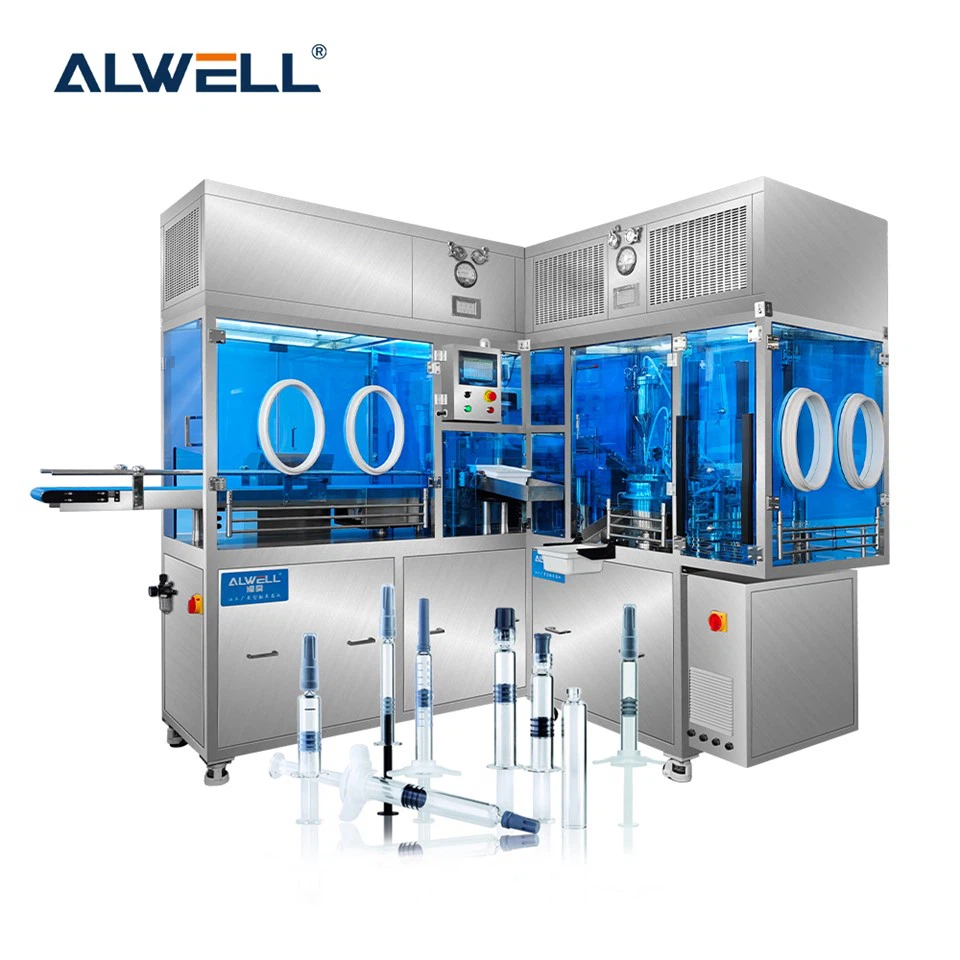
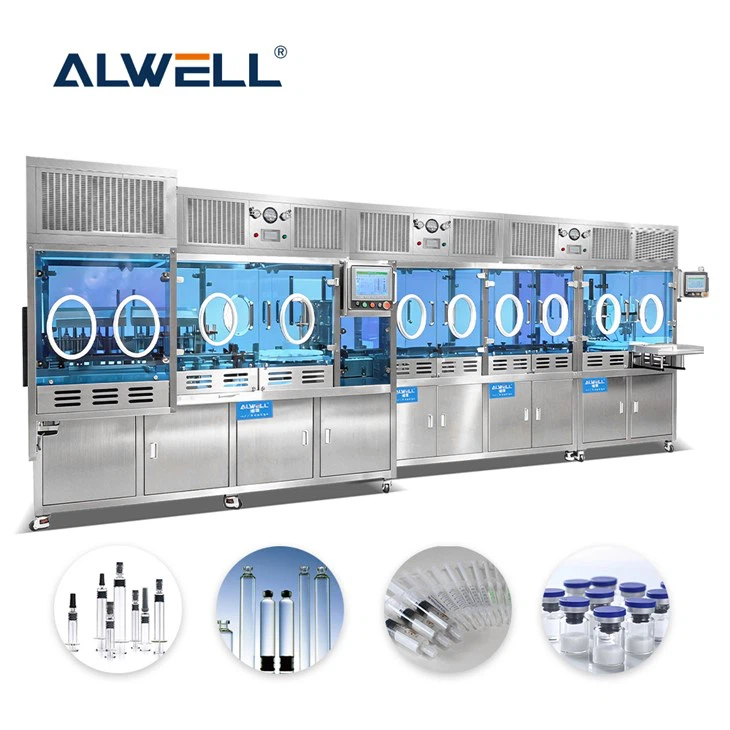
If you are interested in learning more about our High-Quality Pre-filled Syringe filling equipment, Filling And Closing Machine For Pharma, or Automatic Syringe Filling Machine, please contact us to discuss your specific requirements. We are committed to providing our customers with the highest quality products and services, and we look forward to working with you.
References
- ISO 14644-1:2015, Cleanrooms and associated controlled environments -- Part 1: Classification of air cleanliness
- Good Manufacturing Practice (GMP) guidelines for the pharmaceutical industry
- Occupational Safety and Health Administration (OSHA) regulations for workplace safety and health