

A syringe filling machine is a crucial piece of equipment in the pharmaceutical, cosmetic, and food industries. It is designed to accurately fill syringes with various types of liquids, creams, or gels. As a supplier of syringe filling machines, I am often asked about how these machines work. In this blog post, I will provide a detailed explanation of the working principles of a syringe filling machine, highlighting its key components and processes.
Key Components of a Syringe Filling Machine
Before delving into the working process, it's essential to understand the main components of a syringe filling machine. These components work in harmony to ensure precise and efficient filling.
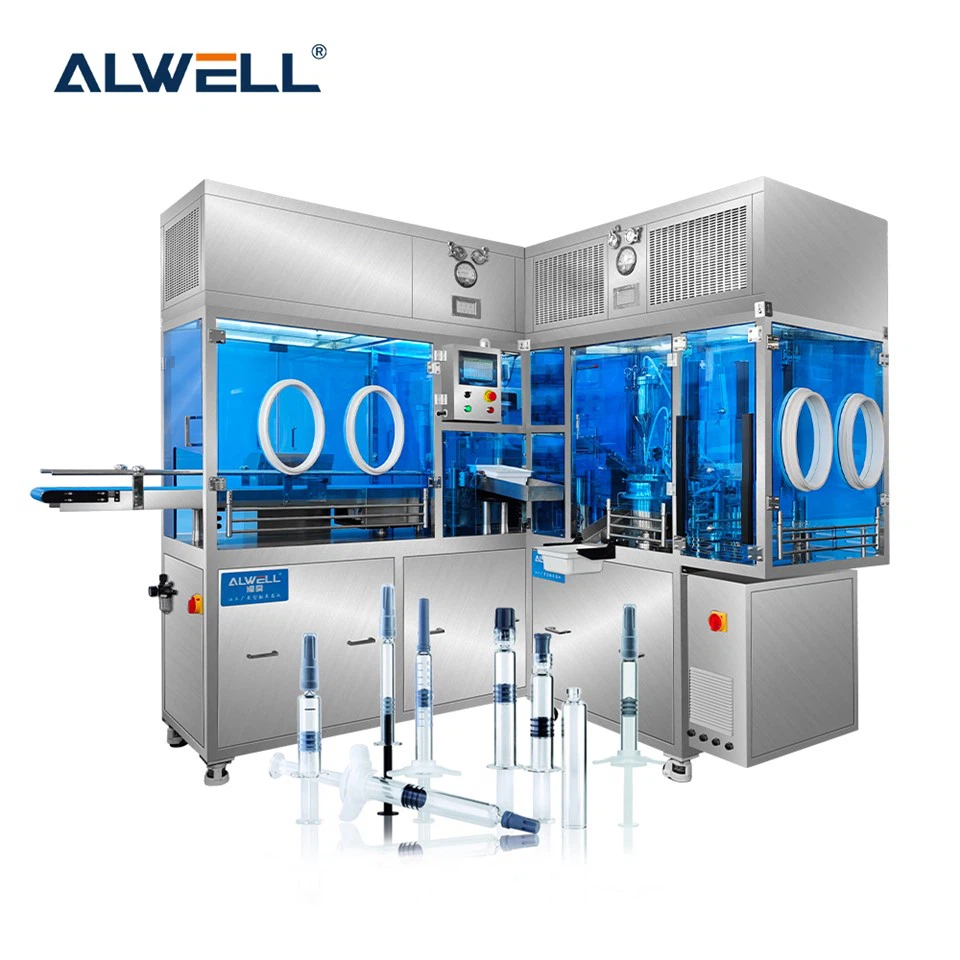
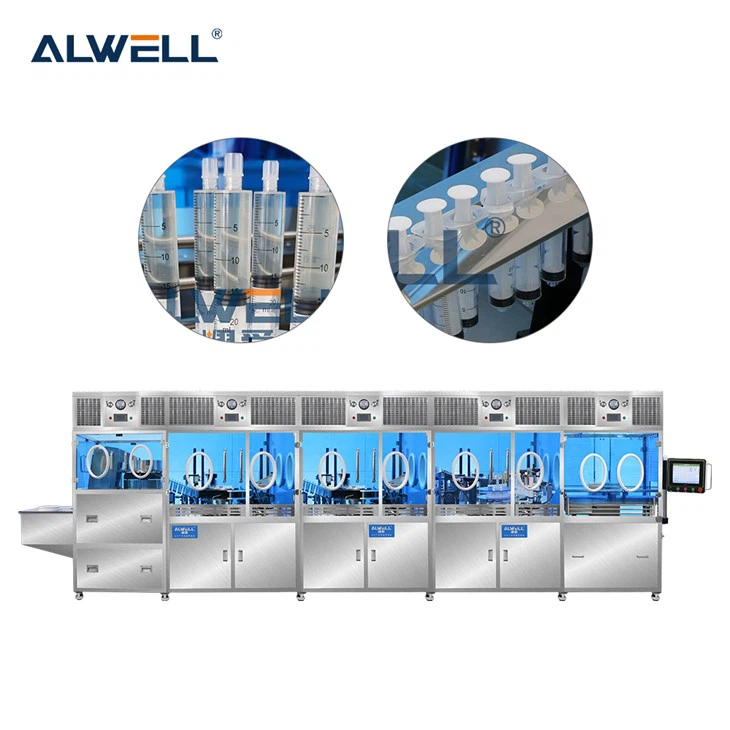
- Hopper: The hopper is a container that holds the liquid or substance to be filled into the syringes. It is usually made of stainless steel or other materials that are compatible with the product being filled. The hopper is designed to provide a continuous supply of the product to the filling system.
- Pumping System: The pumping system is responsible for transferring the liquid from the hopper to the syringes. There are different types of pumps used in syringe filling machines, such as peristaltic pumps, piston pumps, and diaphragm pumps. Each type of pump has its own advantages and is selected based on the viscosity and characteristics of the product being filled.
- Filling Nozzles: The filling nozzles are the points through which the liquid is dispensed into the syringes. They are designed to ensure accurate and consistent filling volumes. The number of filling nozzles can vary depending on the machine's capacity and the production requirements.
- Syringe Holder: The syringe holder is a mechanism that holds the syringes in place during the filling process. It ensures that the syringes are properly aligned with the filling nozzles and that the filling process is carried out smoothly.
- Control Panel: The control panel is the interface through which the operator can set and adjust the filling parameters, such as filling volume, filling speed, and number of syringes to be filled. It also provides real-time monitoring of the machine's operation and can display error messages in case of any issues.
Working Process of a Syringe Filling Machine
The working process of a syringe filling machine can be divided into several steps, each of which is crucial for achieving accurate and efficient filling.
Step 1: Loading the Syringes
The first step in the filling process is to load the syringes into the syringe holder. This can be done manually or automatically, depending on the machine's design. In manual loading, the operator places the syringes one by one into the holder. In automatic loading, the machine is equipped with a feeder system that can pick up the syringes from a magazine or a conveyor belt and place them in the holder.
Step 2: Priming the Pump
Before filling the syringes, the pump needs to be primed to ensure that there is no air in the system. Priming is usually done by running the pump for a short period of time to fill the tubing and the nozzles with the liquid. This helps to prevent air bubbles from being introduced into the syringes during the filling process.
Step 3: Filling the Syringes
Once the pump is primed, the filling process can begin. The control panel is used to set the desired filling volume and speed. The pump then transfers the liquid from the hopper to the filling nozzles, which dispense the liquid into the syringes. The filling process can be either volumetric or gravimetric, depending on the machine's design and the requirements of the product being filled.
- Volumetric Filling: In volumetric filling, the machine measures the volume of the liquid to be filled using a piston or a peristaltic pump. The pump dispenses a fixed volume of the liquid into each syringe, ensuring accurate and consistent filling.
- Gravimetric Filling: In gravimetric filling, the machine measures the weight of the liquid to be filled. The pump dispenses the liquid until the desired weight is reached, which is determined by a load cell or a weighing scale. Gravimetric filling is more accurate than volumetric filling, especially for products with high viscosity or density variations.
Step 4: Capping the Syringes
After the syringes are filled, they need to be capped to prevent the liquid from leaking. The capping process can be done manually or automatically, depending on the machine's design. In manual capping, the operator places the caps on the syringes one by one. In automatic capping, the machine is equipped with a capping system that can pick up the caps from a magazine or a conveyor belt and place them on the syringes.
Step 5: Inspection
Once the syringes are filled and capped, they need to be inspected to ensure that they meet the quality standards. The inspection process can include visual inspection, leak testing, and fill volume verification. Visual inspection is used to check for any visible defects, such as cracks or bubbles in the syringes. Leak testing is used to check for any leaks in the syringes. Fill volume verification is used to ensure that the syringes are filled with the correct volume of the liquid.
Applications of Syringe Filling Machines
Syringe filling machines are widely used in various industries, including pharmaceuticals, cosmetics, and food. Here are some of the common applications of syringe filling machines:
- Pharmaceuticals: Syringe filling machines are used to fill syringes with vaccines, injectable drugs, and other pharmaceutical products. The accurate and precise filling of these products is crucial for ensuring their safety and efficacy.
- Cosmetics: Syringe filling machines are used to fill syringes with creams, lotions, and other cosmetic products. The filling process needs to be hygienic and precise to ensure the quality of the products.
- Food: Syringe filling machines are used to fill syringes with food products, such as sauces, jams, and honey. The filling process needs to be gentle and accurate to prevent the products from being damaged.
Conclusion
In conclusion, a syringe filling machine is a complex and sophisticated piece of equipment that plays a crucial role in the pharmaceutical, cosmetic, and food industries. By understanding the working principles of a syringe filling machine, you can make an informed decision when choosing a machine for your production needs.
If you are interested in purchasing a syringe filling machine, or if you have any questions about our products, please feel free to contact us. We will be happy to provide you with more information and assist you in finding the right machine for your needs.
For more information about our filling and closing machines for pharma, please visit Filling And Closing Machine For Pharma. If you are looking for a syringe light inspection machine, you can visit Syringe Light Inspection Machine. And for pharmaceutical liquid filling equipment, you can check Pharmaceutical Liquid Filling Equipment.
References
- Buchholz, B. (2019). Pharmaceutical Filling Technology. Springer.
- Fellows, P. J. (2000). Food Processing Technology: Principles and Practice. CRC Press.
- Pise, S. S., & Patravale, V. B. (2013). Innovations in Pharmaceutical Fill - Finish Technology. Journal of Pharmacy and Bioallied Sciences, 5(3), 161 - 166.