

As a trusted filler capper supplier, I understand the crucial role that effective product residue cleaning plays in the overall performance of filling and capping machines. In this blog, I will delve into the various aspects of how a filler capper handles product residue cleaning, exploring the importance, methods, and best practices to ensure optimal machine functionality and product quality.
The Importance of Product Residue Cleaning
Product residue left behind in a filler capper can have several negative consequences. Firstly, it can contaminate subsequent batches of products, leading to quality issues and potential regulatory non - compliance. For example, in the pharmaceutical industry, even a small amount of residue from a previous drug formulation can alter the composition of the next batch, posing risks to patient safety.
Secondly, residue buildup can affect the mechanical performance of the filler capper. It can clog nozzles, valves, and other critical components, leading to inaccurate filling volumes and inconsistent capping. This not only reduces the efficiency of the production process but also increases the likelihood of machine breakdowns and costly repairs.
Methods of Product Residue Cleaning
1. Manual Cleaning
Manual cleaning is the most basic method and is often used for initial inspections and light residue removal. Operators can use brushes, cloths, and cleaning solutions to wipe down accessible parts of the filler capper. This method is suitable for small - scale operations or for cleaning areas that are difficult to reach with automated systems. However, manual cleaning is time - consuming, labor - intensive, and may not be as effective in removing stubborn residues.
2. Clean - in - Place (CIP) Systems
Clean - in - Place systems are automated cleaning solutions that are widely used in the filler capper industry. These systems use a combination of cleaning agents, water, and circulation pumps to clean the internal components of the machine without disassembling them. CIP systems are highly efficient and can thoroughly clean pipes, tanks, and other processing units. The cleaning process typically involves several steps, including pre - rinsing, detergent cleaning, intermediate rinsing, final rinsing, and optional sterilization.
The advantage of CIP systems is that they can be programmed to ensure consistent cleaning results. They also reduce the risk of human error associated with manual cleaning. For instance, in a Pharma Liquid Filling Machine, a well - designed CIP system can effectively clean the entire fluid path, ensuring the sterility and purity of the drug filling process.
3. Disassembly and Cleaning
In some cases, particularly when dealing with heavy or highly adhesive residues, disassembly and cleaning of the filler capper may be necessary. This involves removing individual components, such as nozzles, pistons, and seals, and cleaning them separately. Disassembly allows for a more thorough inspection of the components to check for wear and tear. However, it is a complex and time - consuming process that requires skilled technicians. Moreover, improper disassembly and reassembly can lead to machine malfunctions.
Best Practices for Product Residue Cleaning
1. Establish a Regular Cleaning Schedule
A regular cleaning schedule is essential to prevent excessive residue buildup. The frequency of cleaning should be determined based on factors such as the type of product being filled and capped, the production volume, and the operating environment. For example, in a high - volume production line for Oral Syringe Filling Machine, daily or even more frequent cleaning may be required to maintain product quality.
2. Use the Right Cleaning Agents
The choice of cleaning agents is crucial for effective residue cleaning. Different products may require different types of cleaning agents. For example, acidic cleaning agents may be effective for removing mineral deposits, while alkaline agents are better suited for removing organic residues. It is important to follow the manufacturer's recommendations for the use of cleaning agents to avoid damage to the machine components.
3. Training of Operators
Proper training of operators is vital for ensuring the correct implementation of cleaning procedures. Operators should be familiar with the different cleaning methods, the operation of CIP systems, and the safety precautions associated with handling cleaning agents. Regular training can also help operators identify potential problems with the filler capper early on, leading to more efficient cleaning and maintenance.
4. Documentation and Record - Keeping
Maintaining detailed documentation of the cleaning process is essential for quality control and regulatory compliance. Records should include information such as the cleaning schedule, the type and amount of cleaning agents used, the duration of the cleaning process, and the results of any inspections. This documentation can be used to demonstrate that the filler capper is being properly maintained and that product quality is being safeguarded.
Advanced Technologies in Product Residue Cleaning
1. Ultrasonic Cleaning
Ultrasonic cleaning is an advanced technology that uses high - frequency sound waves to create microscopic bubbles in a cleaning solution. These bubbles implode near the surface of the components, generating powerful shockwaves that can dislodge and remove even the most stubborn residues. Ultrasonic cleaning is particularly effective for cleaning small and intricate parts of the filler capper, such as nozzle tips and valve seats.
2. High - Pressure Washing
High - pressure washing systems use pressurized water or cleaning solutions to blast away residues from the machine's surface. This method is fast and can effectively clean large areas of the filler capper. However, care must be taken to ensure that the pressure is not too high to damage the components. High - pressure washing can be combined with other cleaning methods for more comprehensive cleaning.
Case Study: A Syringe Filling and Capping Machine
Let's consider a Filling Capping And Labeling Machine For Syringe. In a pharmaceutical manufacturing facility, these machines are used to fill and cap pre - filled syringes with various medications. Due to the nature of the pharmaceutical products, strict hygiene and residue control are required.

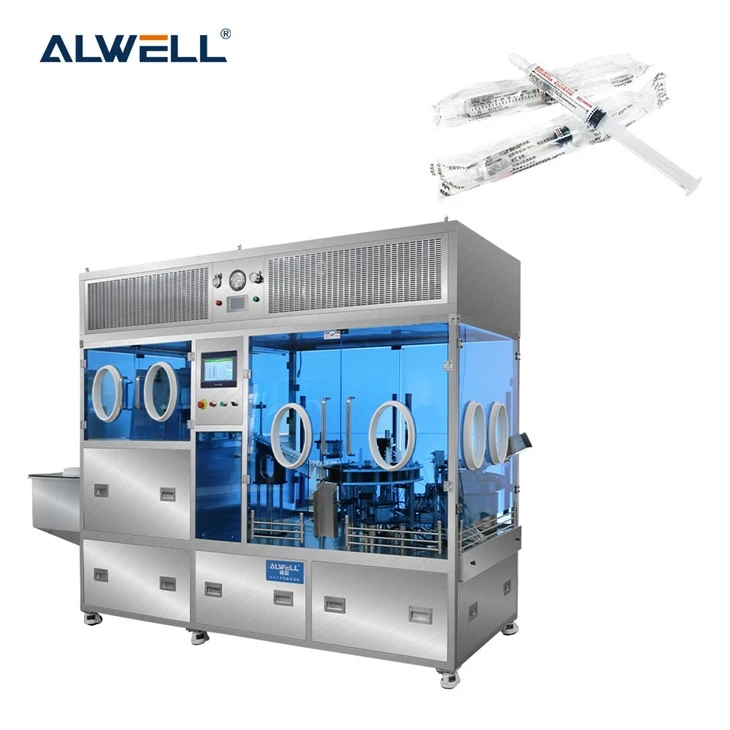
The facility uses a combination of CIP systems and manual cleaning to maintain the machines. The CIP system is programmed to clean the entire filling and capping mechanism after each production run. It uses a series of hot water rinses, followed by a detergent - based cleaning cycle, and then a final sterilizing rinse. Manual cleaning is performed to inspect and clean areas that are not fully accessible by the CIP system, such as the labeling area.
By following a strict cleaning schedule and using the appropriate cleaning methods, the facility has been able to maintain high - quality standards in its syringe filling and capping operations. Product contamination has been minimized, and the machines have shown improved reliability and reduced downtime.
Conclusion
Proper product residue cleaning is a critical aspect of the operation of a filler capper. By understanding the various cleaning methods, implementing best practices, and leveraging advanced technologies, manufacturers can ensure the reliability, efficiency, and product quality of their filling and capping processes.
If you are in need of a high - quality filler capper solution or have any questions about product residue cleaning, feel free to contact us for a detailed discussion. Our team of experts is ready to assist you in finding the most suitable machines and cleaning strategies for your specific production requirements.
References
- Fundamental Principles of Cleaning in the Food Industry. R. Castle (Ed.), Wiley - Blackwell, 2013.
- Pharmaceutical Process Validation: General Principles and Practices. G. Santella (Ed.), PDA, 2007.
- Handbook of Industrial Cleaning. Y. Lawrence (Ed.), CRC Press, 2019.