

If you're a liquid filling syringe supplier like I am, you've probably been asked this question a hundred times: "Can I use a syringe pump to automatically fill liquid?" Let's cut through the noise here-after years of troubleshooting, testing, and helping clients scale their filling processes, the short answer is a resounding yes. But it's not just a "yes or no" question; it's about how you use the syringe pump, what you're filling, and why it's become a cornerstone of modern pharmaceutical and medical device manufacturing.
When I started in this business a decade ago, manual filling was the norm. Techs would stand at workstations, pull syringes into holders, draw liquid by hand, adjust volumes with a tiny plunger, and hope the dose was precise. It was slow, inconsistent, and risky-one small slip and you'd waste a batch of expensive sterile liquid, or worse, deliver a wrong dose to a medical syringe. Back then, syringe pumps were clunky, expensive, and mostly used for lab research, not high-volume production. That's all changed now. Today, automated syringe pumps are the workhorses of liquid filling for pre-filled syringes, flush syringes, and a range of medical devices-and they're worth every penny for anyone serious about scaling.
Let's break down why syringe pumps work so well for automatic liquid filling, starting with precision. If you're filling syringes for saline, antibiotics, or other injectables, volume accuracy is non-negotiable. A 1mL error in a 10mL dose might not sound like much, but in a clinical setting, it can derail a treatment, trigger regulatory flags, or lead to product recalls. Automated syringe pumps operate on a simple principle: a piston inside the pump moves at a controlled rate, displacing an exact volume of liquid from a reservoir into the syringe. Unlike peristaltic pumps, which rely on tubing compression and can wear out over time leading to volume drift, or piston pumps with fixed displacements, modern automated syringe pumps are calibrated to adjust for viscosity, temperature, and even minor variations in the liquid being filled. For example, if you're filling viscous liquids like hyaluronic acid or sterile gels, a pump can slow its piston speed slightly to ensure the liquid flows evenly into the syringe barrel, no air bubbles or under-doses.
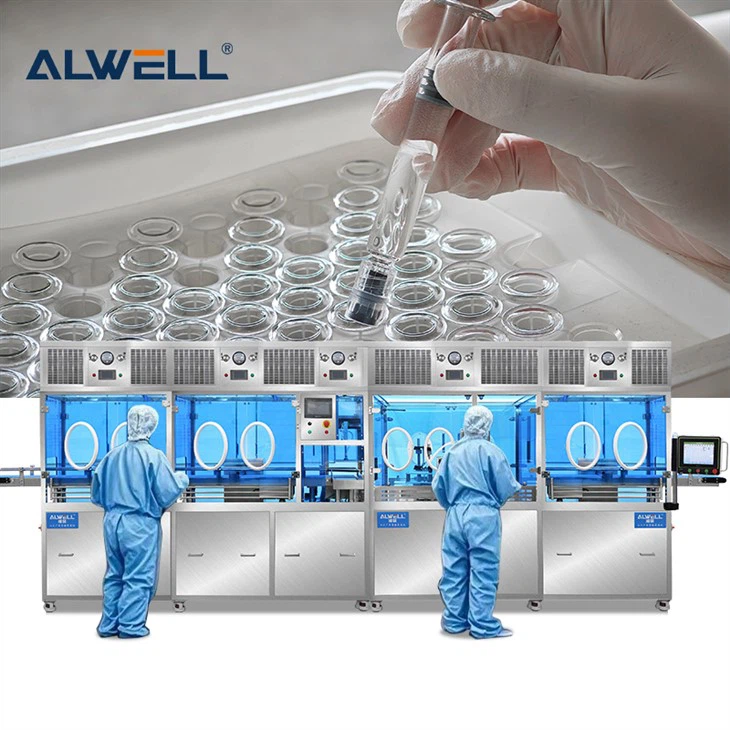

Air bubbles are another huge pain point in manual filling-and one that syringe pumps solve brilliantly. When you pull liquid into a syringe by hand, it's almost impossible to avoid tiny air pockets that can cause dosage inaccuracies or, in the case of injectables, pain for the patient or even tissue damage. Automated syringe pumps are designed to control flow direction and speed to eliminate these bubbles. They pull liquid into the syringe from the bottom of the barrel, gradually pushing out any air as they go, and some models even have a venting feature that lets excess air escape before sealing. This level of consistency is why so many of our clients use syringe pumps as part of their sterile filling lines. In fact, if you're looking to scale production of saline syringes-one of the most common liquid-filled syringes on the market-syringe pumps are a critical component of a seamless aseptic process. You can check out our aseptic filling line for saline syringes, which integrates high-precision syringe pumps at every filling station to maintain sterile, bubble-free doses for mass production.
Speed is another reason syringe pumps have become essential for automatic filling. I used to work with a small medical device startup that was filling flush syringes manually and could only produce 500 units a day. After switching to an automated syringe pump system, they hit 5,000 units a day in their first month-and that number has only gone up as they've refined their setup. The best automated syringe pumps don't sacrifice precision for speed, either. Some high-end models can fill hundreds of syringes per minute, adjusting volume mid-cycle if the liquid's viscosity changes slightly, or stopping automatically if a syringe is misaligned or empty. For operations that fill both liquids and powders-like some combination medication syringes-syringe pump technology is also compatible with multi-process filling lines. For example, if you need to fill a vial with powder and a syringe with liquid as part of a single assembly, our automatic vials powder bottles filling stoppering capping machine is designed to work in tandem with syringe pump filling systems to create a fully automated, end-to-end production line.
Now, I know what some of you are thinking: "What about regulatory compliance?" If you're filling syringes for FDA or CE-marked products, that's a valid concern. Automated syringe pump systems are built with traceability in mind. Every fill is logged with timestamp, volume, and operator information, so you can track every batch from start to finish. Many pumps also have integrated cleaning-in-place (CIP) and sterilization-in-place (SIP) features, which are required for sterile medical device manufacturing. For our clients that supply pre-filled syringes to hospitals and clinics, this level of documentation isn't just a nice-to-have-it's a requirement. We've worked with dozens of manufacturers to integrate our high-speed pre-filled filling machine liquid medicine vacuum syringe filling systems, which use calibrated syringe pumps to meet all global regulatory standards, including 21 CFR Part 11 for electronic records and signatures.
Of course, like any manufacturing tool, syringe pumps aren't one-size-fits-all. You can't just grab any pump off the shelf and expect it to work for every liquid or every syringe size. For low-volume, custom projects, a manual syringe pump might be sufficient, but for automatic filling at scale, you need a pump that's integrated into a full line designed for your specific product. For example, filling a 1mL insulin syringe is very different from filling a 50mL flush syringe; the pump needs to be calibrated for the syringe's barrel size, the liquid's density, and the required flow rate. That's where working with a liquid filling syringe supplier that specializes in automatic systems makes all the difference. We don't just sell pumps-we design and build lines that are tailored to your product, so you avoid common pitfalls like inconsistent dosing, pump wear, or bottlenecks in the filling process.
I've seen too many businesses waste money trying to repurpose lab syringe pumps for production. Lab pumps are built for accuracy in small volumes, not for running 12 hours a day, five days a week in a manufacturing environment. Automated industrial syringe pumps are made with durable materials that resist corrosion from sterile liquids, have sealed motors to prevent contamination, and are designed to connect seamlessly to conveyors, barcode scanners, and other line equipment. They also require less maintenance than older pump technologies-most just need regular lubrication of the piston and occasional calibration, with none of the tubing replacement that comes with peristaltic pumps.
Another advantage of syringe pump-based automatic filling is flexibility. If your product line changes-say you need to switch from filling saline to a new antibiotic, or from 10mL to 20mL syringes-most modern syringe pumps can be recalibrated in minutes, not hours. That's a huge benefit for manufacturers that produce multiple SKUs or seasonal products. I had a client a few years ago that made both flu vaccine pre-filled syringes and allergy test syringes; they were able to adjust their syringe pump line between products in 15 minutes, which let them meet demand during peak seasons without downtime.
So, to circle back to the original question: Yes, you absolutely can use a syringe pump to automatically fill liquid. But the key is choosing the right type of pump, integrating it into a purpose-built line, and working with a supplier that understands the unique needs of liquid filling syringes. Whether you're a small startup looking to scale your first production run, or a large manufacturer expanding to meet global demand, automated syringe pump systems deliver the precision, speed, and compliance you need to succeed.
If you're ready to take your liquid filling process to the next level with syringe pump technology, we're here to help. Our team has decades of experience designing automatic filling lines for all types of syringes, from flush syringes to pre-filled injectables, and we work with you to find a solution that fits your production goals, budget, and regulatory requirements. Reach out to our team to discuss your project and get a personalized consultation for your liquid filling needs.
References
- Food and Drug Administration (FDA). (21 CFR Part 11). Electronic Records; Electronic Signatures. U.S. Food and Drug Administration.
- European Medicines Agency (EMA). (2021). Guideline on Aseptic Processing of Medicinal Products. European Medicines Agency.
- International Organization for Standardization (ISO). (ISO 13485:2016). Medical Devices – Quality Management Systems – Requirements for Regulatory Purposes. International Organization for Standardization.
- Smith, J. (2022). Advancements in Syringe Pump Technology for Pharmaceutical Manufacturing. Journal of Medical Device Engineering, 18(2), 45-52.